
There are many reasons to become a virtual transcriber. You might’ve been retrenched from your job or you might want to earn an extra income after hours to supplement your income or save money towards a goal like a holiday or a wedding, etc. Working as a transcriber is hard work! It’s not easy money! But it is a way of earning an income.
What equipment do you need to be a transcriber?
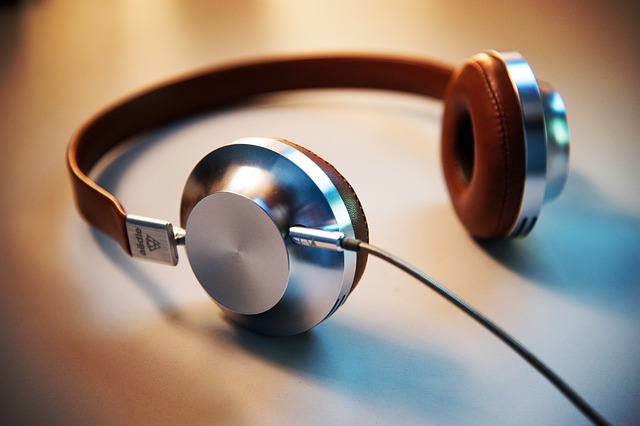
Besides being able to speak and write in English (for the most part), to start with you need a computer and an internet connection. You also need a good set of headphones and a quiet place to work. If you intend taking your transcription job seriously, then a USB pedal will come in handy down the line.
How do you start transcribing?
The route I took, more by accident than design, was to apply for a Scribie.com account. You do need to have a Paypal account too – you need Paypal to receive payment for most overseas online jobs. The upside is you get paid in US dollars!
After you apply for a Scribie account you’ll be taken to the Transcription section and given a style guide. Their style guide is much simpler than those of most virtual transcriber companies. Read through the guide once or twice to have a clear idea of what is expected of you.
Scribie is one of the lower paying transcription sites, but for a new virtual transcriber it’s a good place to get an idea of what to expect. You get to choose the files you feel comfortable transcribing. But don’t waste time with the ones you can’t understand. You get two hours to transcribe six minutes of audio. Believe me, you’ll need it the first few times you transcribe. You can extend it by another hour.
If you pass the exam you will receive an email to that effect and will have access to audio files to transcribe.
Financially, Scribie is a good place for a new transcriber to start, because you get to test your skill and whether transcription work is for you and you get paid the regular rate if the transcript is up to scratch. You don’t get paid if you hand in a bad transcript with too many errors.
Once you’ve completed a certain number of files within the error limit, you can become a reviewer, which means double the amount of money for a transcription and review. And if you’re really good at it you can become a proofreader, and then a quality controller. This is where it becomes possible to be a full-time transcriber.
As I’ve said in the introduction, transcribing is hard work but it opened up a new world of living – earning an income and learning new topics.